
Key Takeaways
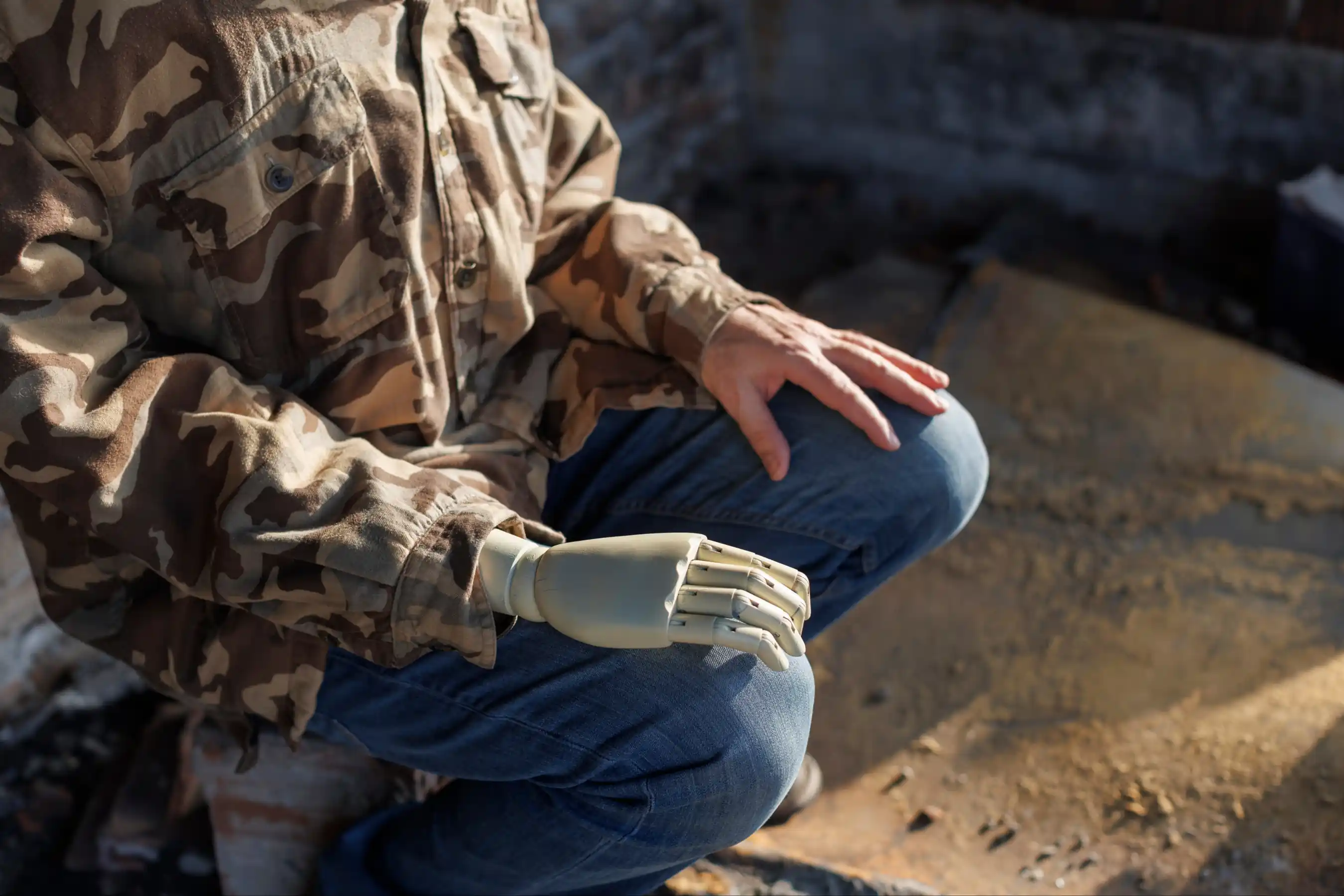
- Veterans Day is a good time to talk about phantom limb pain, which is ongoing pain that seems to come from a limb that is no longer there.
- A VA-funded survey found phantom limb pain in 72.2% of Vietnam War veterans and 76.0% of Iraq and Afghanistan-era veterans with major traumatic limb loss.
- Phantom limb pain often shows up alongside other health challenges, such as chronic back pain, depression, and post-traumatic stress disorder (PTSD).
- Many people feel unsure about bringing up this kind of pain, but an evaluation can be the first step toward a treatment plan.
- Non-surgical options, such as medications, nerve blocks, and spinal cord stimulation, may be worth discussing with a specialist.
- The Physicians Spine & Rehabilitation Specialists offers pain management in Sandy Springs, Stockbridge, Marietta, Calhoun, Rome, and Duluth, GA, and veterans and families can request an appointment to talk through their options.
Honoring Veterans Who Live With Limb Loss
Every November 11, communities across Georgia pause to thank the men and women who served. For many veterans, the cost of that service is still felt every day. Some live with limb loss, and many of them also live with pain that seems to come from the part of the body that is gone.
According to the U.S. Census Bureau, Georgia is home to 601,304 veterans (2020 to 2024 estimate). This Veterans Day awareness post is for the veterans in that group who live with phantom limb pain, and for the families who support them.
Why Phantom Limb Pain Affects a Significant Share of Veterans
Phantom limb pain is ongoing pain that feels like it is coming from a limb that has been removed. The limb is gone, but the pain is real. Researchers believe it involves changes in the nerves, the spinal cord, and the brain.
A VA-funded survey of veterans and service members with major traumatic limb loss found that phantom limb pain was common in both groups. The table below shows several health issues that participants reported.
| Reported Health Issue | Vietnam War Veterans | Iraq and Afghanistan Era (OIF/OEF) |
|---|---|---|
| Phantom limb pain | 72.2% | 76.0% |
| Residual limb pain | 48.3% | 62.9% |
| Chronic back pain | 36.2% | 42.1% |
| Depression | 24.5% | 24.0% |
| PTSD | 37.6% | 58.7% |
OIF/OEF stands for Operation Iraqi Freedom and Operation Enduring Freedom. Residual limb pain is pain in the part of the limb that remains. It is different from phantom limb pain, and the two can happen at the same time.
Common Experiences Veterans Describe
Phantom limb pain does not look the same for everyone. Still, some patterns come up often:
- Pain that seems to come from the missing limb, even years after surgery
- Pain that appears alongside other pain, such as back pain
- Stress, worry, or low mood that seems to make the pain feel worse
- Hesitation to mention the pain out of fear of being misunderstood
That last point matters. The Amputee Coalition notes that people are often reluctant to share this kind of pain because they worry others will think it is not real. It is real, and it deserves care.
Non-Surgical Approaches Worth Discussing
There is no single treatment that works for every patient. A care plan often combines several approaches. Depending on the person, a specialist may talk through:
- Medications, such as certain antidepressants or nerve-calming medicines
- Nerve blocks, which target pain signals in a group of nerves
- Spinal cord stimulation, a minimally invasive option for some types of nerve pain
- Support for stress and sleep, which can affect how pain feels
The Physicians Spine & Rehabilitation Specialists describes its approach on the phantom limb pain page, and surgery is usually considered only after more conservative options have been tried. Which options fit best depends on an in-person evaluation.
How Coordinated, Local Care Supports Veteran Patients
Many veterans receive care through the VA. The VA Amputation System of Care provides care for over 50,000 people with major limb loss. A local pain specialist can work alongside that care, and veterans can bring their records and questions to an appointment.
The Physicians Spine & Rehabilitation Specialists has served patients since 1995 and keeps close contact with referring doctors and case managers. Dr. Randy F. Rizor, the practice's president and medical director, is himself a veteran of the U.S. Army Reserve, so he understands the realities of military service firsthand.
Encouraging Veterans and Families to Seek an Evaluation
Families often notice changes first. If a loved one winces, rubs the area where a limb used to be, or avoids talking about pain, a gentle conversation can help. Some questions to try:
- When does the pain seem strongest?
- Has it changed since it began?
- Would it help to talk with a pain specialist together?
Veterans do not have to push through pain alone, and asking for help is not a sign of weakness.
Start a Conversation About Phantom Limb Pain This Veterans Day
This Veterans Day, honor service with action. If you or a loved one lives with phantom limb pain, a specialist can listen, evaluate the pain, and explain the options that may fit.
Request an appointment with The Physicians Spine & Rehabilitation Specialists to talk about phantom limb pain care at an office near you in Sandy Springs, Stockbridge, Marietta, Calhoun, Rome, or Duluth. You can also visit The Physicians Spine & Rehabilitation Specialists website to find your nearest office and review the practice's insurance information before you call.
Frequently Asked Questions
What is phantom limb pain?
Phantom limb pain is ongoing pain that seems to come from a limb that is no longer there. It is real pain, and it can begin soon after limb loss or later on.
How common is phantom limb pain in veterans?
In a VA-funded survey of veterans and service members with major traumatic limb loss, 72.2% of Vietnam war participants and 76.0% of Iraq and Afghanistan era participants reported it.
Is there a treatment for phantom limb pain without surgery?
Yes. Non-surgical options may include medications, nerve blocks, and spinal cord stimulation. A specialist can explain which options may fit your situation.
How do I find a pain specialist near me?
The Physicians Spine & Rehabilitation Specialists has offices in Sandy Springs, Stockbridge, Marietta, Calhoun, Rome, and Duluth, GA. You can request an appointment online or call (770) 679-7000.
Can family members come to the appointment?
Many patients bring a family member for support. Call the office ahead of time to ask about their visit policies.
