
Key Takeaways
- Sacroiliac (SI) joint dysfunction is a common but often overlooked cause of chronic lower back and pelvic pain.
- Symptoms such as pain in the lower back, buttocks, hips, or legs may indicate an SI joint issue rather than a spinal condition.
- Diagnostic testing and targeted injections help confirm whether the SI joint is the true source of pain.
- Not everyone with SI joint pain needs a procedure; conservative, non-surgical treatments are typically tried first.
- The Physicians Spine & Rehabilitation Specialists are trusted experts in SI joint pain treatment and minimally invasive SI joint procedures across Georgia. Schedule an appointment today to determine whether this option may be right for you.
Understanding SI Joint Pain and Dysfunction
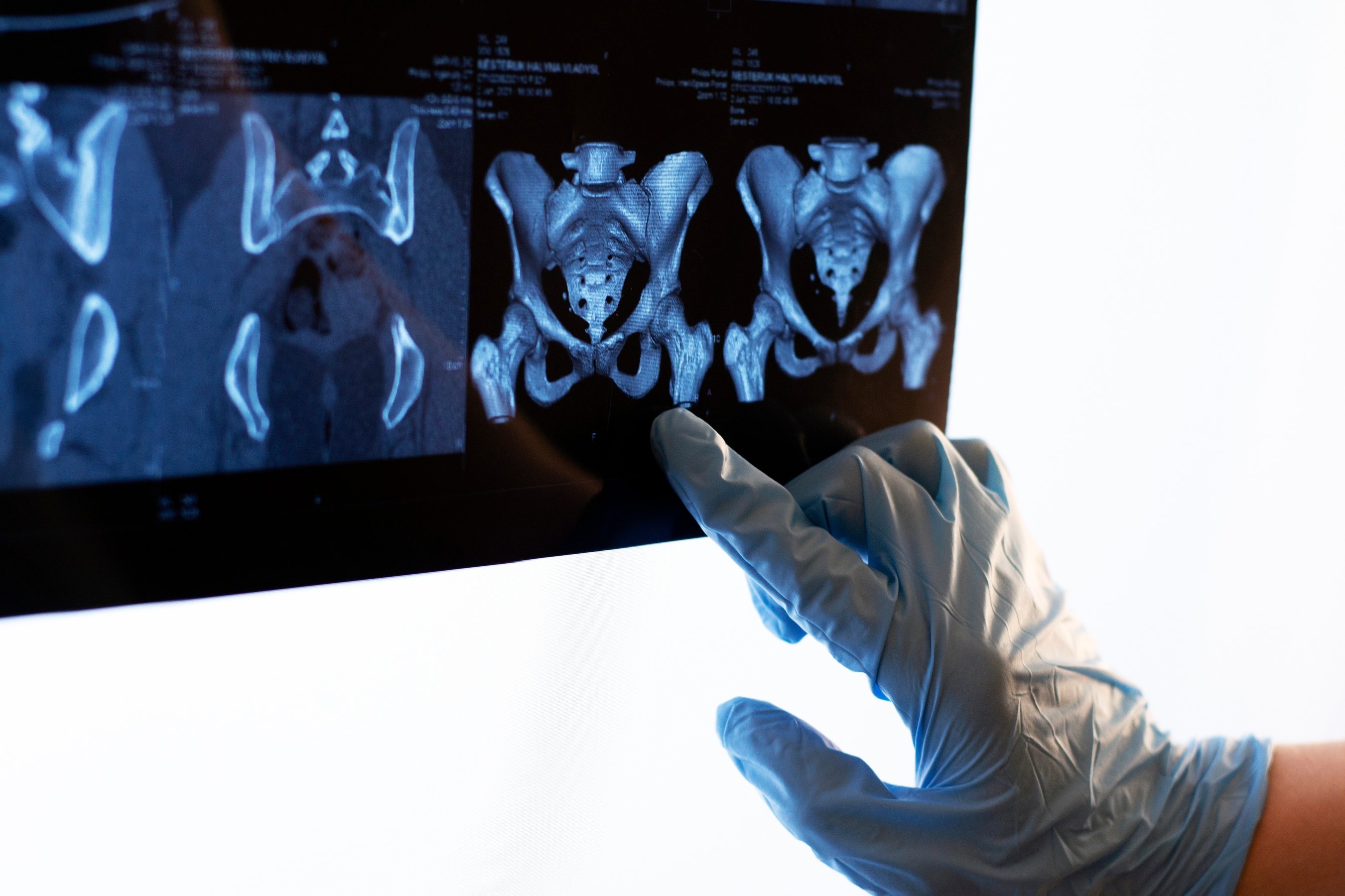
The sacroiliac joints are located on either side of the lower spine, connecting the sacrum to the pelvis. These joints play a critical role in transferring weight and force between the upper body and the legs. When the SI joint becomes inflamed or unstable, it can lead to persistent pain that is often mistaken for other lower back conditions.
SI joint dysfunction can be challenging to diagnose because its symptoms overlap with lumbar spine issues, hip problems, and nerve-related pain. Identifying whether the SI joint is the primary pain generator is an essential first step before considering any advanced treatment options.
Common Symptoms of SI Joint Dysfunction
SI joint pain often presents in specific patterns that help distinguish it from other causes of lower back pain.
Symptoms That May Point to SI Joint Issues
- Pain in the lower back, buttocks, or hips
- Discomfort that worsens with standing, walking, or climbing stairs
- Pain when transitioning from sitting to standing
- One-sided pain that may radiate into the thigh or groin
- Increased discomfort after prolonged sitting or weight-bearing activity
Symptoms may range from mild to severe and can significantly interfere with daily activities if left untreated.
How SI Joint Pain Is Diagnosed
Because SI joint dysfunction shares symptoms with other conditions, diagnosis requires a careful and methodical approach. The Physicians Spine & Rehabilitation Specialists use a combination of clinical evaluation and diagnostic tools to accurately identify the source of pain.
Diagnostic Methods Used to Confirm SI Joint Pain
- Detailed medical history and physical examination
- Imaging studies to rule out other causes of pain
- Diagnostic injections to confirm the SI joint as the pain source
A diagnostic SI joint injection involves delivering medication directly into the joint under imaging guidance. If pain relief occurs following the injection, it strongly suggests that the SI joint is contributing to the symptoms.
Criteria for Being a Candidate for an SI Joint Procedure
An SI joint procedure is not the first step in treatment. It is typically considered only after other non-surgical options have failed to provide sufficient relief.
You May Be a Candidate If:
- SI joint dysfunction has been confirmed through diagnostic testing
- Pain has persisted for an extended period despite conservative care
- Symptoms significantly limit daily activities or quality of life
- Targeted injections have provided temporary relief, confirming the pain source
Meeting these criteria helps ensure that the procedure is appropriate and likely to provide meaningful benefit.
Alternative Treatments to Try Before an SI Joint Procedure
Before recommending a minimally invasive SI joint procedure, physicians typically explore non-surgical treatment options aimed at reducing inflammation and improving stability.
Non-Surgical SI Joint Pain Treatment Options
- Activity modification to reduce joint strain
- Medications to manage inflammation and discomfort
- Image-guided injections to relieve pain and confirm diagnosis
- Ongoing monitoring and reassessment
These approaches may be sufficient for many individuals and help avoid the need for procedural intervention.
What Is an SI Joint Procedure?
When conservative treatments no longer provide adequate relief, a minimally invasive SI joint procedure may be considered. This procedure is designed to stabilize the joint and reduce pain caused by chronic SI joint dysfunction.
Key Features of the SI Joint Procedure
- Minimally invasive approach
- Performed using advanced imaging for precision
- Designed to support long-term joint stability
- Typically completed as an outpatient procedure
At The Physicians Spine & Rehabilitation Specialists, the SI joint procedure uses an allograft to help create an environment conducive to long-term fusion and stability of the joint.
Pros and Considerations of an SI Joint Procedure
Understanding the potential benefits and considerations helps patients make informed decisions about their care.
Potential Benefits vs. Considerations
| Potential Benefits | Important Considerations |
|---|---|
| Reduced chronic SI joint pain | Not appropriate for all patients |
| Improved joint stability | Requires accurate diagnosis |
| Minimally invasive approach | Recovery varies by individual |
| May improve daily function | Conservative care tried first |
A thorough consultation ensures that benefits outweigh risks based on individual circumstances.
What to Expect During Your Consultation
An SI joint procedure consultation focuses on education, evaluation, and shared decision-making. The goal is to determine whether the SI joint is truly responsible for pain and whether a procedure is appropriate.
During the Evaluation, Patients Can Expect:
- Review of medical history and previous treatments
- Physical examination focused on pain patterns
- Discussion of diagnostic findings
- Explanation of available treatment options
- Clear guidance on next steps
This comprehensive approach helps patients feel informed and confident in their care decisions.
Exploring Your Options for Lasting SI Joint Pain Relief
SI joint pain can be debilitating, but a minimally invasive SI joint procedure is only one part of a broader treatment spectrum. Accurate diagnosis and thoughtful evaluation are essential to determining the most effective path forward.
The Physicians Spine & Rehabilitation Specialists provide comprehensive SI joint pain treatment and minimally invasive SI joint procedures designed to improve stability and reduce chronic pain. Schedule an appointment today to discuss your symptoms and learn whether an SI joint procedure may be appropriate for your condition.
Frequently Asked Questions
What is an SI joint procedure?
An SI joint procedure is a minimally invasive treatment designed to stabilize the sacroiliac joint and reduce pain caused by chronic SI joint dysfunction.
How do I know if my pain is coming from the SI joint?
Pain patterns, physical examination findings, and diagnostic injections help determine whether the SI joint is the primary source of discomfort.
Is SI joint fusion the same as an SI joint procedure?
SI joint fusion is one type of SI joint procedure. A physician can explain whether this approach is appropriate based on diagnostic findings and symptom severity.
How long does SI joint fusion recovery take?
Recovery varies by individual and depends on overall health and activity level. A specialist will provide guidance on what to expect after the procedure.
When should I see a pain management specialist for SI joint pain?
If lower back or pelvic pain persists despite conservative treatment or limits daily activities, evaluation by a pain management specialist is recommended.
